
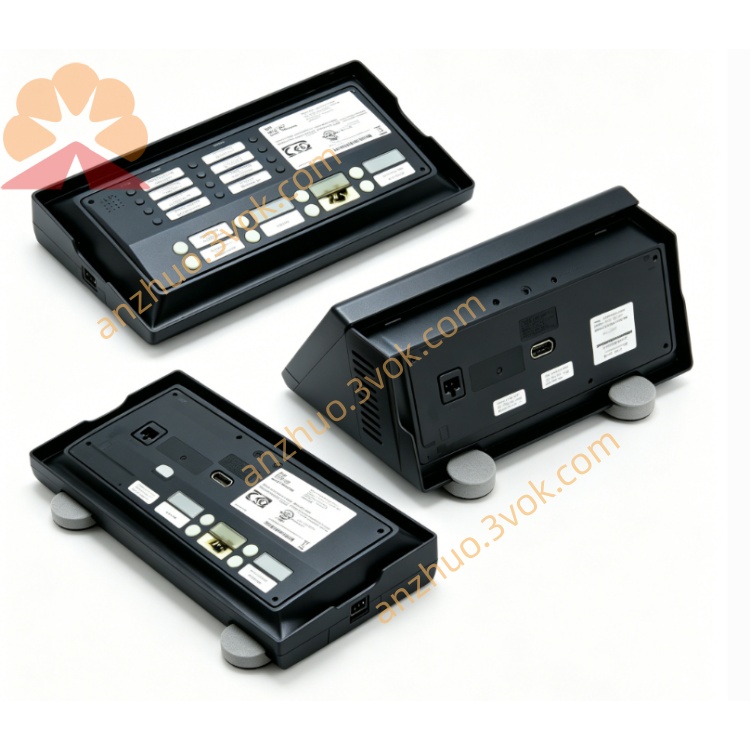
SMC-C
Description
1. Product Overview

2. Key Features
Integrated Inrush Limiting: Built-in pre-charge resistors reduce switching inrush current to ≤ 25× rated current.
Wide Power Range: Covers 5–50 kVAr (400 V) with models from 9 A to 100 A.
High Electrical Endurance: Up to 200,000 operations (light models) / 100,000 operations (heavy models).
Frequent Switching: Rated 240 cycles/hour (≤40 A) / 100 cycles/hour (≥50 A).
Standard Coil Voltages: 220–240 VAC, 400–440 VAC (50/60 Hz).
Certifications: CE, CB, ISO 9001.
Compact Design: DIN rail mountable, saves panel space.
3. Technical Specifications
3.1 Model & Ratings
| Model | Rated Current (A) | 400 V Rating (kVAr) | 690 V Rating (kVAr) |
|---|---|---|---|
| SMC-9C | 9 | 5 | 8.6 |
| SMC-12C | 12 | 6.7 | 11.5 |
| SMC-18C | 18 | 10 | 17.3 |
| SMC-22C | 22 | 12.5 | 21.6 |
| SMC-32C | 32 | 18 | 31.1 |
| SMC-40C | 40 | 25 | 43.3 |
| SMC-50C | 50 | 30 | 52 |
| SMC-65C | 65 | 40 | 69 |
| SMC-75C | 75 | 45 | 78 |
| SMC-85C | 85 | 50 | 86 |
| SMC-100C | 100 | 60 | 104 |
3.2 General Parameters
| Parameter | Specification |
|---|---|
| Main Circuit | |
| Rated Voltage | 200–690 VAC, 50/60 Hz |
| Rated Frequency | 50 Hz / 60 Hz |
| Insulation Voltage | 1000 VAC |
| Impulse Withstand | 6 kV (1.2/50 μs) |
| Coil | |
| Standard Voltages | 220–240 VAC, 400–440 VAC |
| Operating Range | 85–110% Un |
| Power Consumption | ≤ 10 VA (hold), ≤ 70 VA (inrush) |
| Contact | |
| Configuration | 3P+NO (main) + 1NO+1NC (aux) |
| Material | Silver alloy |
| Endurance (Mechanical) | 1,000,000 cycles |
| Environmental | |
| Operating Temp | –5 °C to +55 °C |
| Storage Temp | –25 °C to +70 °C |
| Humidity | 5–95% RH non-condensing |
| Protection | IP20 (front) |
| Mechanical | |
| Mounting | DIN rail (35 mm) |
| Dimensions (W×H×D) | 45×80×95 mm (≤40 A); 60×90×105 mm (≥50 A) |
| Weight | 0.5–0.8 kg |
4. Application Scope
Power Factor Correction (PFC): Switching low-voltage capacitor banks in industrial plants, commercial buildings, and substations.
Reactive Power Compensation: Step control of capacitor banks to maintain target power factor (0.95–0.99).
Harmonic Filtering: Switching passive harmonic filter banks (with detuned reactors).
Motor Capacitor Switching: Starting and running capacitor switching for single-phase motors.
5. Installation & Wiring
5.1 Installation Requirements
Mounting: Install vertically on a 35 mm DIN rail; allow ≥25 mm clearance above/below for ventilation.
Environment: Avoid direct sunlight, dust, moisture, and corrosive gases.
ESD Protection: Discharge static before handling (no internal ESD-sensitive parts).
5.2 Wiring Diagram
5.2.1 Main Circuit (3-Phase)
L1/L2/L3: Line side (400/690 VAC).
T1/T2/T3: Capacitor bank side.
PE: Protective earth (connect to system ground).
5.2.2 Control Circuit
A1/A2: Coil voltage (220/400 VAC).
NO/NC: Auxiliary contacts (for status indication/interlocking).
5.3 Wiring Notes
Capacitor Discharge: Ensure capacitors are fully discharged (<50 V residual) before re-switching.
Fusing: Use gG-type fuses rated 1.5–2× contactor current (e.g., 63 A fuse for SMC-40C).
Cable Size: 2.5–6 mm² (main circuit); 1.5 mm² (control circuit).
Torque: Tighten terminals to 1.2–1.5 Nm.
Pre-charge Resistors: Do not bypass or modify the built-in resistors.
6. Operation
6.1 Working Principle
Pre-charge Phase: When the coil is energized, auxiliary contacts close first, connecting the capacitor bank via pre-charge resistors to limit inrush current.
Main Closure: After 50–100 ms, the main contacts close, bypassing the resistors and connecting the capacitor directly to the line.
Opening: When de-energized, main contacts open first, followed by auxiliary contacts.
6.2 Normal Operation
Coil Energized: Indicator LED (if equipped) ON; main contacts closed; capacitor bank connected.
Coil De-energized: LED OFF; main contacts open; capacitor bank disconnected.
Switching Frequency: Adhere to rated cycles/hour to avoid overheating.
7. Safety Precautions
High Voltage Hazard: Only qualified electricians may install/service. Disconnect all power before wiring.
Capacitor Discharge: Capacitors retain charge after disconnection. Discharge for ≥5 minutes before touching terminals.
Inrush Current: Never bypass pre-charge resistors; severe damage to contacts and capacitors may occur.
Overloading: Do not exceed rated current/kVAr; risk of contact welding and fire.
No Modification: Do not open the contactor or modify internal circuits; voids warranty.
Environmental Limits: Operate only within –5 °C to +55 °C.
8. Maintenance
8.1 Regular Maintenance (Every 6 Months)
Visual Inspection: Check for loose terminals, burnt contacts, or discolouration.
Cleaning: Wipe with a dry cloth; remove dust from vents.
Terminal Tightness: Retorque to 1.2–1.5 Nm.
Contact Check: Inspect main/aux contacts for wear or pitting.
Resistor Check: Verify pre-charge resistors are intact (no cracks/burn marks).
8.2 Replacement
Contacts: Replace if worn >1 mm or pitted.
Coil: Replace if burnt or shorted (measure resistance: ~500 Ω for 220 V coil).
9. Troubleshooting
| Fault Phenomenon | Possible Cause | Solution |
|---|---|---|
| Contactor fails to close | No coil voltage / wrong voltage / coil burnt | Check A1/A2 wiring; verify voltage; replace coil. |
| Loud noise when closing | Low coil voltage / loose core / dirty contacts | Increase voltage; tighten core screws; clean contacts. |
| Contacts weld shut | Overload / frequent switching / inrush too high | Reduce load; decrease switching frequency; check pre-charge resistors. |
| Overheating | Loose terminals / blocked ventilation / overload | Retorque terminals; clear vents; reduce load. |
| Capacitor damage | Inrush current too high / no discharge time | Check pre-charge resistors; increase off-time between switching. |
10. Warranty
Model: SMC-C Series Capacitor Switching Contactor.
Warranty Period: 18 months from delivery (normal installation/use per manual).
Warranty Exclusions: Misuse, overvoltage, lightning, water ingress, unauthorised modification, or failure to discharge capacitors.
Specifications Subject to Change: Manufacturer reserves the right to update specifications without notice.
Get a Quote