
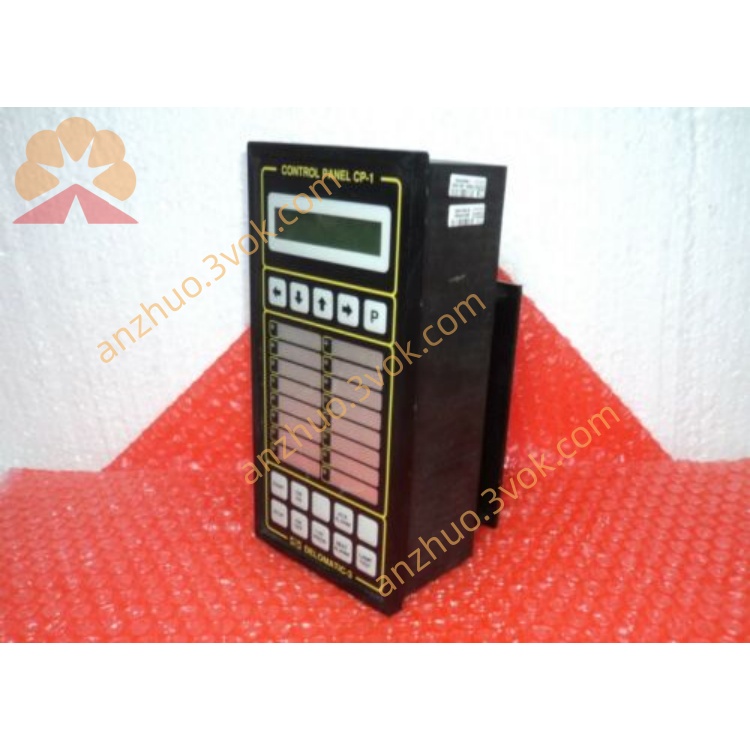
Description
1. Product Overview
2. Main Features
High resolution, suitable for ppm trace oxygen detection
Fast response speed, quick recovery
Good linear output, easy circuit conversion
Low temperature coefficient, stable performance
Miniature structure, easy installation and integration
Anti-interference, good anti-poisoning ability to conventional inert gases
3. Technical Specifications
3.1 Basic Parameters
| Item | Specification |
|---|---|
| Working Principle | Galvanic Electrochemical Oxygen Sensor |
| Measuring Range | 0 ~ 10 ppm (optional extended range) |
| T90 Response Time | ≤ 8 s |
| Accuracy | ±2% FS |
| Linearity Error | ≤ ±2% FS |
| Long-term Monthly Drift | ≤ 1% |
| Working Temperature | 0°C ~ 50°C |
| Working Humidity | 0%RH ~ 95%RH, non-condensing |
| Working Pressure | 80 ~ 120 kPa |
| Service Life | ≥ 24 months (normal ambient) |
| Shelf Life | 12 months (sealed storage) |
3.2 Mechanical & Electrical
| Item | Specification |
|---|---|
| Outline Size | Standard cylindrical miniature package |
| Weight | About 3g |
| Output Signal | Current output proportional to oxygen concentration |
| Interface Form | Two-pole pin / concentric ring optional |
4. Application Fields
Industrial inert gas: nitrogen, argon, hydrogen trace oxygen monitoring
Semiconductor electronic industry process gas detection
Laboratory glove box, protective atmosphere furnace
Food and pharmaceutical packaging residual oxygen detection
Portable trace oxygen analyzer, fixed online oxygen monitoring equipment
Welding protection gas, metallurgical inert gas monitoring
5. Installation and Operation Instructions
5.1 Installation Requirements
Install vertically as far as possible, air inlet upward or follow standard installation direction.
Avoid direct blowing of high-speed airflow to the sensor air inlet.
Adopt sealed pipeline connection, recommend PTFE tube air path.
Avoid vibration, high temperature and corrosive gas environment.
5.2 Working Conditions
Recommended gas flow: 100 ~ 400 mL/min
Need to avoid condensed water entering the sensor air inlet
Keep away from volatile organic gas, strong acid and alkali corrosive gas
5.3 Calibration Method
Zero Calibration: Use high-purity nitrogen (0 ppm oxygen) for zero point calibration.
Span Calibration: Use standard gas with known low oxygen concentration for span calibration.
Preheat for 10 minutes after power-on before formal calibration and sampling.
6. Safety and Maintenance
The sensor is non-explosion-proof type, do not use in flammable and explosive dangerous occasions.
Do not immerse in liquid, prevent dust and oil from blocking the air inlet.
Handle with anti-static measures to avoid static damage.
It is recommended to calibrate every 3–6 months according to the use environment.
Store in cool and dry environment, sealed preservation, avoid sunlight and high temperature.
7. Common Faults and Troubleshooting
| Fault Phenomenon | Possible Reason | Processing Method |
|---|---|---|
| No signal output | Wrong wiring / sensor failure | Check wiring polarity, replace sensor |
| Reading unstable | Insufficient preheating / airflow fluctuation | Preheat sufficiently, stabilize gas flow |
| Slow response | Air inlet blocked / internal aging | Clean filter or replace sensor |
| Large drift | Temperature change / overdue calibration | Temperature compensation, recalibration |
8. Manufacturer & Warranty
Product Model: CP-1 Trace Oxygen Sensor
Manufacturer: ASAIR / Professional Gas Sensor Manufacturer
Warranty period: 12 months from the date of delivery
Warranty does not include damage caused by man-made misuse, improper installation and harsh environment
Get a Quote