
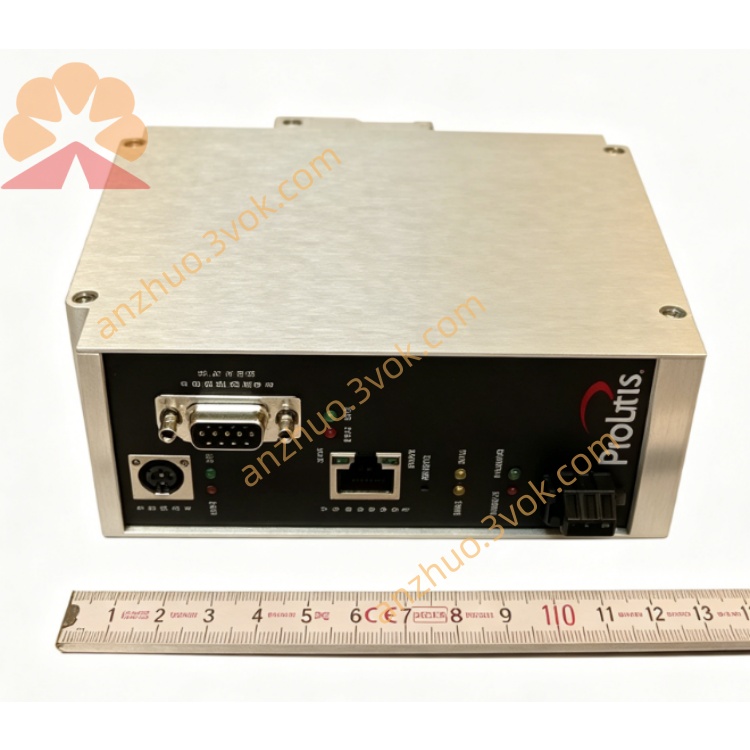
5205-104S-PDPS
Description
1. Product Overview
2. Key Features
Dual Protocol: IEC 60870-5-104 Server + PROFIBUS DP Slave
Time‑Stamped Data: Supports 104 time synchronization and timestamped events
Redundancy: Dual 104 client connections (STARTDT/STOPDT switching)
PROFIBUS DP Slave: Up to 122 words I/O, freeze/sync modes, auto‑baud
Large Database: 4000 internal registers for data mapping
Configuration: Terminal menu + web server + ProSoft Configuration Builder
Isolation: Electrical isolation between Ethernet and PROFIBUS ports
Diagnostics: Real‑time status, error logs, bus statistics
Redundancy: Dual 24 VDC power inputs
Temperature: –20°C to +60°C for harsh environments
3. Technical Specifications
3.1 Power Supply
Rated: 24 VDC
Range: 18–36 VDC
Max power: ≤15 W
Redundancy: Dual terminal blocks
3.2 IEC 60870-5-104 (Ethernet)
Speed: 10/100 Mbps auto‑negotiation
Connector: RJ45
Role: Server (listens for 104 clients)
Redundancy: Two simultaneous client connections
Data: ASDU, events, commands, time synchronization
3.3 PROFIBUS DP Slave
Role: DP Slave (IEC 61158)
Connector: DB9 female
Baud rate: 9.6k–12 Mbps, auto‑baud
I/O data: 122 words input / 122 words output
Features: Freeze, Sync, auto‑address, GSD file provided
3.4 Internal Database
Size: 4000 registers (16‑bit words)
Mapping: 104 ↔ PROFIBUS register‑to‑register
Data types: Bits, bytes, words, long words, floats
3.5 Environmental
Operating: –20°C to +60°C
Storage: –40°C to +85°C
Humidity: 5%–95% RH, non‑condensing
Vibration: IEC 60068‑2‑6 compliant
3.6 Physical
Mounting: 35 mm DIN rail
Dimensions: 132 × 52.6 × 115 mm
Weight: ~860 g
Certifications: CE, UL
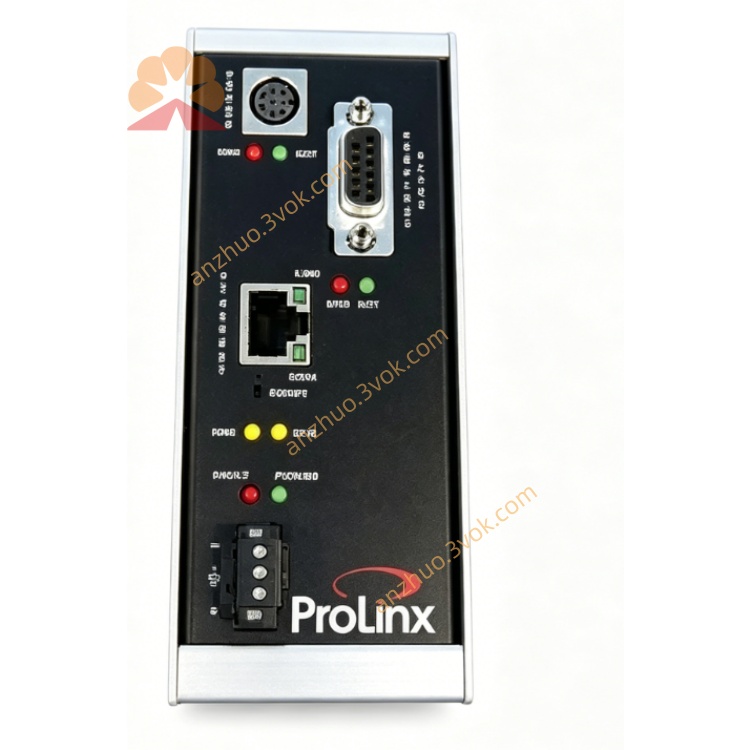
4. LED Indicators
PWR: On = Power normal
RUN: Blinking = Operating normally
ENET: Blinking = 104 Ethernet activity
PBUS: Blinking = PROFIBUS activity
ERR: On = Fault (config/comm error)
5. Installation & Wiring
Mount on DIN rail in cabinet.
Connect 24 VDC to power terminals (redundant recommended).
Connect Ethernet cable to RJ45 for IEC 60870-5-104.
Connect PROFIBUS cable to DB9; use standard PROFIBUS pinout.
Set PROFIBUS slave address and baud rate via terminal/web UI.
Configure 104 IP, subnet, and data mapping.
Save config, reboot, verify communication.
6. Communication Functions
104 → PROFIBUS: Write 104 commands/data to PROFIBUS slave outputs.
PROFIBUS → 104: Read slave inputs, timestamp, and send as 104 events.
Time Sync: 104 time sync to PROFIBUS (timestamped data).
Redundant 104: Dual client connections with automatic failover.
Data Integrity: Cyclic I/O with watchdog and error handling.
7. Applications
Power & Utility: Connect SCADA (104) to factory PROFIBUS DP I/O/drives.
Substation Automation: Integrate protection relays and PROFIBUS devices.
Legacy Integration: Bridge older PROFIBUS systems to modern 104 SCADA.
Process Control: Water treatment, power plants, and industrial automation.
Smart Grid: Enable 104‑based monitoring/control of PROFIBUS equipment.
8. Safety Notes
Power Off: Wire only when power is disconnected.
Cables: Use shielded cables for both Ethernet and PROFIBUS.
Grounding: Properly ground gateway and devices to avoid ESD.
Bus Parameters: Match baud rate and slave address on PROFIBUS bus.
Environment: Avoid direct sunlight, moisture, and strong EMI sources.
Get a Quote