
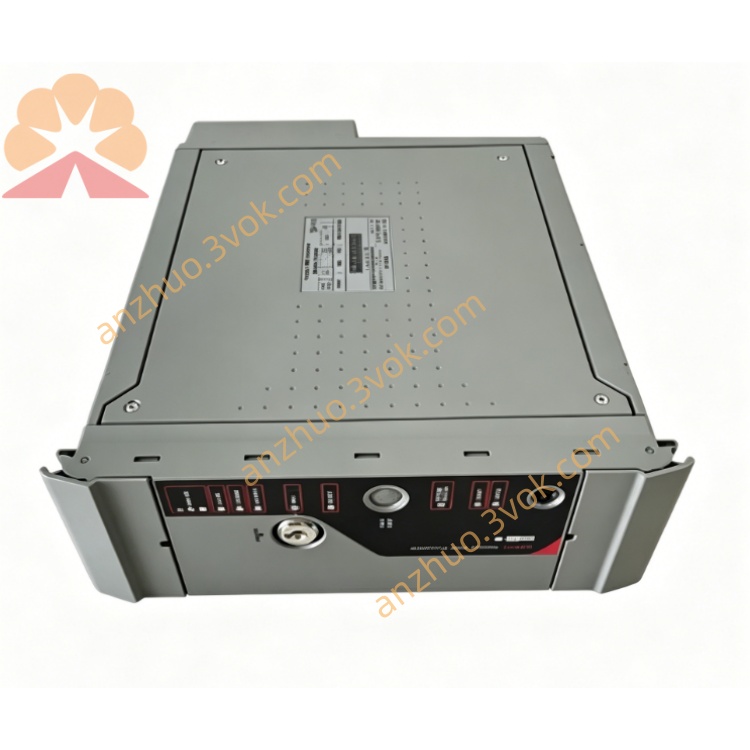
T8013
The T8013 is a professional supporting module designed for ICS Triplex Trusted TMR safety control system. It is widely applied in industrial safety instrumented systems for event recording, signal acquisition and system communication expansion. This module adopts triple modular redundant design, featuring high reliability, self-diagnosis and online maintainability. It is suitable for petrochemical, power and other high safety level industrial occasions, and complies with international safety standard requirements.
Description
The T8013 is a professional supporting module designed for ICS Triplex Trusted TMR safety control system. It is widely applied in industrial safety instrumented systems for event recording, signal acquisition and system communication expansion. This module adopts triple modular redundant design, featuring high reliability, self-diagnosis and online maintainability. It is suitable for petrochemical, power and other high safety level industrial occasions, and complies with international safety standard requirements.
2 Main Features
Adopt TMR triple redundant structure to ensure system operation without single point failure. Built-in comprehensive self-diagnosis function, which can automatically detect circuit abnormality, channel fault and communication anomaly. Support hot swap operation, module replacement without stopping the whole system. With strong electromagnetic interference resistance, suitable for harsh industrial field environment. Support system event sequence recording and real-time data uploading. Perfect compatibility with Trusted series system backplane and related matching modules. Meet SIL 3 safety integrity level certification requirements. Simple installation mode, convenient wiring and later maintenance.
3 Technical Specifications
Working power supply is standard 24VDC industrial power range. Working ambient temperature ranges from minus 20 degrees Celsius to plus 60 degrees Celsius. Storage temperature ranges from minus 40 degrees Celsius to plus 85 degrees Celsius. Relative humidity is 5 percent to 95 percent non-condensing environment. Internal circuit adopts high isolation design to isolate field circuit and control circuit. Support standard system backplane communication bus protocol. With over current and over voltage protection function inside the module. Overall structure meets industrial standard protection grade.
4 Installation Instructions
Install the module into the designated slot of Trusted system standard cabinet backplane. Ensure the module is closely inserted and locked with the backplane connector. The cabinet should be placed in a well ventilated and dry indoor environment, avoiding direct sunlight and corrosive gas. Keep enough heat dissipation space around the module, do not block the ventilation gap. Complete chassis grounding according to industrial safety specifications to ensure anti-static and anti-interference effect. Do not install or unplug the module with power on except for hot swap allowed operation.
5 Wiring Instruction
All field wiring shall use standard industrial shielded cables with reasonable wire gauge selection. Distinguish power line and signal line wiring routing to avoid signal interference. The cable shielding layer shall be grounded in single point according to specification, no repeated grounding is allowed. Wiring terminals shall be fastened properly to prevent loose contact caused by vibration. Do not mix high voltage circuit and low voltage signal circuit wiring on the same row of terminals. After wiring is completed, check line sequence and insulation condition carefully before power on operation.
6 Operating Instruction
After the system is powered on, the module will automatically complete initialization and self-test process. In normal standby state, the module keeps communication connection with the main controller and monitors system status in real time. When a fault signal or alarm event occurs on site, the module will immediately record relevant information and upload it to the upper system. The module supports remote parameter configuration and status query through the system platform. When self-test finds internal fault or channel abnormality, the module will automatically trigger fault prompt and lock abnormal output to ensure safe operation. During normal operation, do not press or disassemble the module at will.
7 Fault Handling
When the module fault state occurs, first check whether the power supply input is normal and whether the backplane connection is loose. Check whether the field wiring has short circuit, open circuit or insulation damage phenomenon. After eliminating external line faults, perform system reset and observe whether the fault disappears. If the fault still exists, adopt hot swap mode to replace the spare module of the same model. After replacement, confirm communication status and signal acquisition are normal, then complete fault handling and record relevant information. Do not disassemble the module internal structure privately without professional permission.
8 Daily Maintenance
Regularly check the module working status indicator and system online diagnosis information every month. Keep the cabinet interior clean and dust-free, avoid dust accumulation affecting module heat dissipation and circuit performance. Regularly check whether wiring terminals are loose and whether grounding connection is reliable. Do not use corrosive liquid to wipe the module surface, use dry soft cloth for cleaning. Regularly match with the system to complete overall function inspection and safety loop test. Update system configuration and firmware version according to official maintenance requirements.
9 Safety Precautions
Only professionally trained and qualified personnel are allowed to perform installation, wiring, commissioning and maintenance work. Strictly cut off relevant power supply before wiring and maintenance operation to prevent electric shock accident. Operate in strict accordance with site safety operation regulations in flammable and explosive industrial areas. Do not change the internal circuit and parameter setting of the module without authorization. Ensure all operation and maintenance work does not affect the safety interlock logic of the whole system. Abide by ESD electrostatic protection regulations when contacting the module, wear grounding anti-static equipment.
Get a Quote