
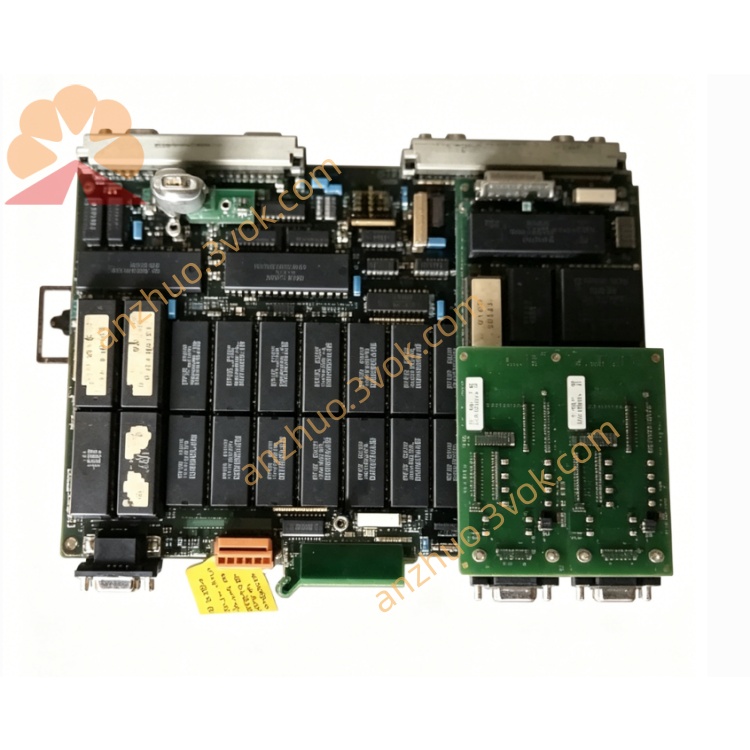
E-CPU-186
Description
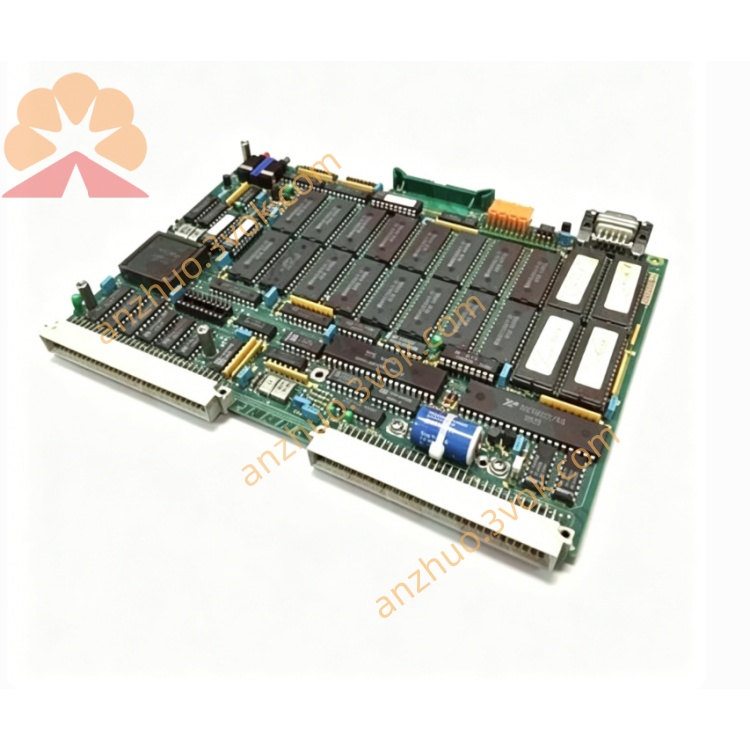
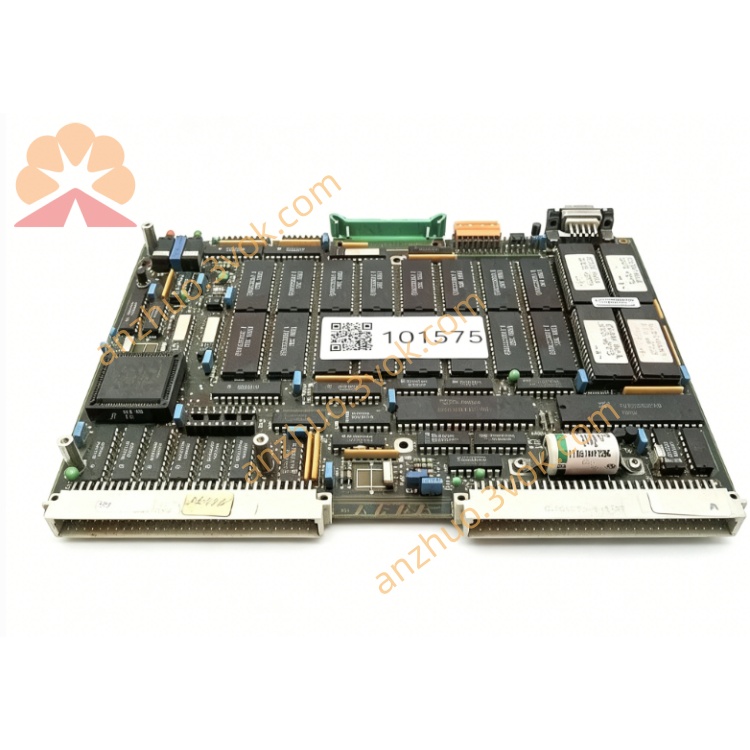
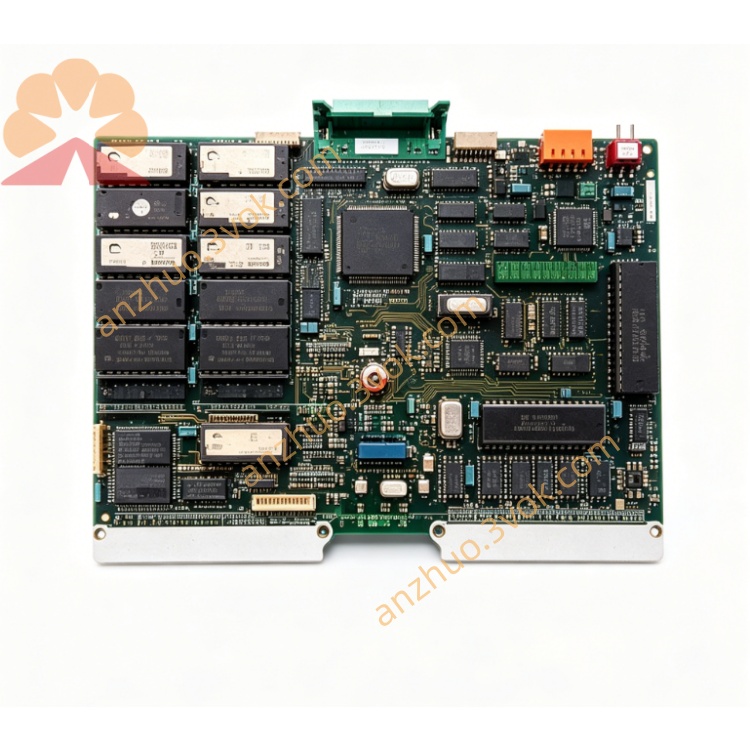
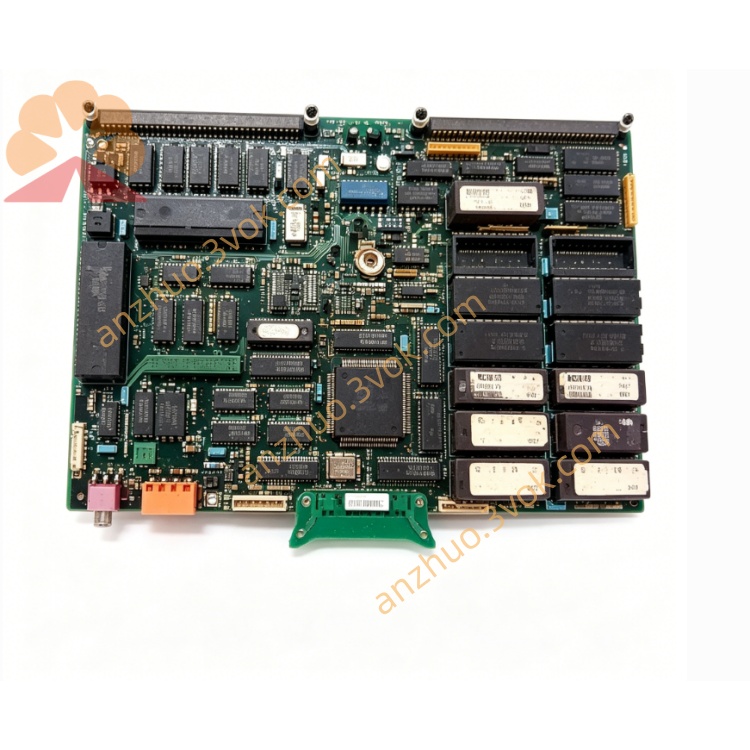
1. General Information
Model: E-CPU-186 (Variants: E-CPU-186/B, E-CPU-186-B/12M, E-CPU-186-C/16MHz)
Brand: KEBA (Austria)
Processor: Intel 80C186 16-bit CPU, 12 MHz (standard)
Application: Dedicated master CPU for Engel injection molding machines, industrial automation systems
Status: Discontinued (obsolete), only second-hand/refurbished spare parts available
Weight: Approx. 0.45 kg
Board Identifier: D1633C (matches related I/O modules like DC162)

2. Hardware Architecture
CPU Core: Intel 80C186, 12 MHz (16 MHz optional for -C variant)
Memory: Onboard RAM/ROM (capacity varies by hardware version)
System Bus: KEBA proprietary K-Bus (connects to I/O modules: DC162, E-16-DIGOUT/G, etc.)
Interfaces:
Serial port (RS-232/RS-485)
K-Bus communication port
Status LEDs (Power, Run, Fault)
Form Factor: Standard rack-mount PCB for industrial control cabinets
3. Electrical Specifications
Power Supply: DC 24V ±10%
Power Consumption: Approx. 15W
Protection Features: Overvoltage, undervoltage, overcurrent, short circuit, reverse polarity, EMC interference suppression
Operating Temperature: 0°C to +55°C
Storage Temperature: -40°C to +85°C
Humidity: 5%–95% RH, non-condensing
Protection Class: IP20 (for cabinet installation)
4. Key Functions
System Master Control: Runs control programs for injection molding/automation equipment; executes logic, motion control, and I/O scheduling.
Communication Management: Real-time data exchange with I/O modules via K-Bus; handles digital/analog signal acquisition and output.
Motion Control: Governs servo/hydraulic axes for precise positioning and speed regulation (Engel machine optimized).
Fault Diagnosis & Monitoring: Real-time system status tracking; error logging and alarm output for maintenance.
Program Execution: Stores and runs user application programs; supports online monitoring and parameter configuration.
5. Installation Guidelines
Power Off First: Disconnect all power before installing/removing the module.
Rack Installation: Insert smoothly into a standard control rack slot and secure firmly.
Wiring Practice: Separate low-voltage signal cables from high-power lines to avoid crosstalk.
Ventilation: Ensure adequate airflow around the module for heat dissipation.
Compatibility: Use only with matching KEBA CU-series CPUs and I/O modules.
6. Safety Notes
Qualified Personnel Only: Installation, commissioning, and maintenance must be performed by trained technical staff.
No Unauthorized Modification: Do not disassemble or alter the module’s internal circuitry; this voids warranty and risks equipment damage.
Rated Operation: Operate within specified voltage/current ranges to prevent burnout or system failure.
Industrial Environment: Designed for indoor industrial use; avoid exposure to dust, moisture, or corrosive gases.
7. Troubleshooting (Basic)
Power LED Off: Check 24V DC supply and wiring; verify fuse integrity.
Run LED Not Flashing: Confirm K-Bus connection; check for faulty I/O modules or program errors.
Fault LED On: Review error logs; check for short circuits, overloads, or temperature issues.
Get a Quote