
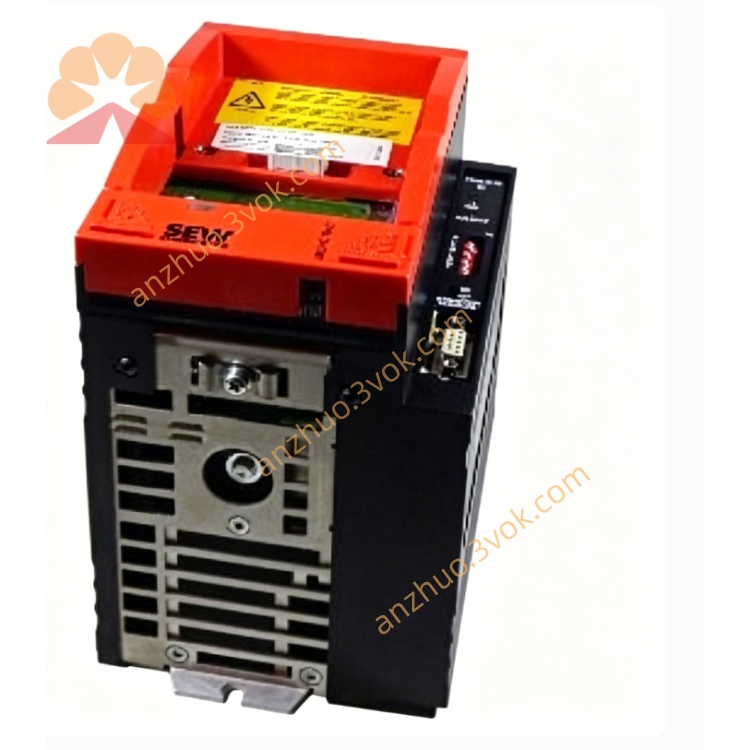
31C005-503-4-00
Description
1. Model Code Definition
2. Main Electrical Parameters
Rated Output Power: 0.55 kW
Input Voltage: 3-phase AC 380~480 V
Input Frequency: 50 Hz / 60 Hz
Rated Continuous Output Current: 2.0 A
Output Voltage Range: 0~480 V three-phase AC
Output Frequency Range: 0~400 Hz
Control Mode: V/F open-loop control / Sensorless vector control
Overload Capacity: 150% rated current for 60 seconds
Adjustable Switching Frequency: 4kHz / 8kHz / 12kHz / 16kHz optional
Built-in STO Safe Torque Off function as standard
3. Physical & Environmental Parameters
Protection Class: IP20
Cooling Method: Natural air cooling, no built-in fan
Operating Ambient Temperature: 0°C ~ +45°C (full power operation)
Storage Temperature: -25°C ~ +70°C
Working Humidity: 5%~95%, non-condensing environment
Installation Type: Vertical wall mounting
Maximum Applicable Altitude: ≤1000m without power derating
Vibration Resistance: Suitable for light industrial working environment
4. Standard Control Interfaces
Built-in RS485 communication interface, support Modbus RTU protocol
Analog speed reference input: 0-10V DC / 0-20mA dual signal
6 sets of programmable 24V DC digital input terminals
2 sets of programmable relay signal output terminals
PTC motor over temperature protection input terminal
External brake resistor connection terminal
Multi-section fixed speed control terminals
Optional extended communication modules: PROFINET, PROFIBUS etc.
5. Core Functions
Adjustable acceleration and deceleration time: 0.1s~600s
Integrated dynamic braking and DC braking for rapid stop
Intelligent energy saving operation mode
Three control modes: local panel, external terminal, remote communication
Slip compensation function to stabilize operating speed
Soft start and soft stop to reduce mechanical impact
Built-in PID closed-loop control for constant pressure and constant speed
Support parameter copy, save and restore function
Stable low-speed torque output performance
6. Complete Protection Functions
Instantaneous overcurrent and thermal overload protection
Over voltage and under voltage protection
Three-phase input phase loss detection protection
Inverter internal overheating protection
Electronic thermal motor overload protection
Output short circuit protection
Motor earth fault protection
Anti-stall running protection
ESD anti-static protection for control terminals
Hardware STO safety torque off protection
7. Installation & Wiring Requirements
Cut off all power supply before wiring and maintenance work
Separate power cables and control cables to avoid electromagnetic interference
Ensure reliable PE earthing connection
Keep enough surrounding space for heat dissipation
Do not install in dusty, humid, oily and corrosive places
Use shielded special motor cables for output connection
8. Commissioning Steps
Check all wiring to exclude wrong connection and short circuit risk
Confirm input power voltage matches inverter rated voltage
Set correct motor rated voltage, current, frequency and speed parameters
Select suitable control mode according to site demand
Set reasonable acceleration/deceleration time and frequency limit
Perform no-load test run firstly and check motor running status
Put into formal load operation after stable running
9. Daily Maintenance
Regularly clean surface dust every 3-6 months
Periodically check tightness of all wiring terminals
Monitor real-time running current and working temperature
All fault inspection and maintenance must be operated by qualified professional electricians
Get a Quote