
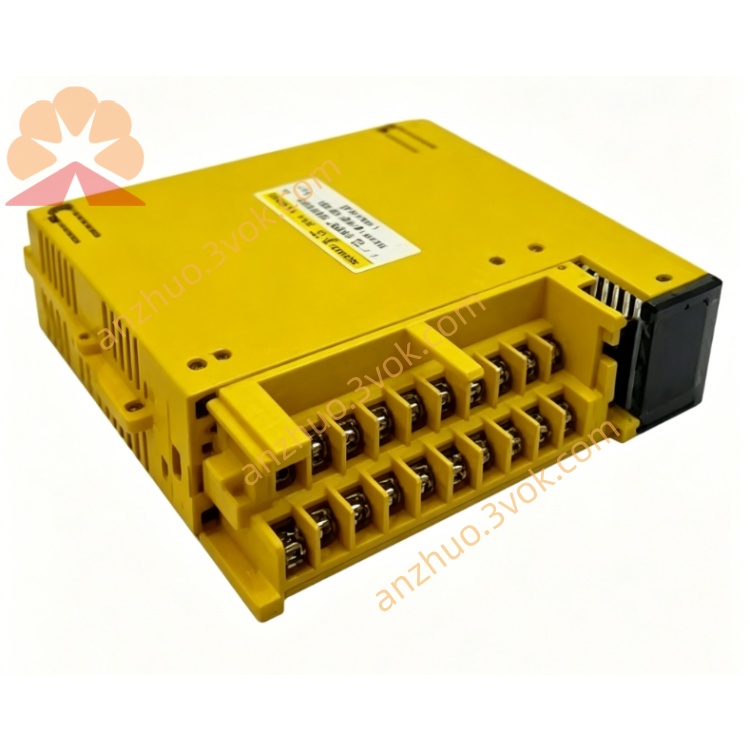
A06B-0086-B503
Description
2. Electrical Specifications
Rated Input Voltage: 380–400 VAC, 3-phase, 50/60 Hz
Rated Output Power: 2.2 kW
Rated Torque: 10.5 N·m
Rated Speed: 2000 RPM
Max Continuous Speed: 2500 RPM
Rated Phase Current: 3.8 A
Insulation Class: Class F
Winding: 3-phase HV brushless permanent magnet winding
Rated Frequency: 200 Hz
Brake Voltage: DC 24 V
3. Mechanical Specifications
Rotor: Medium inertia, balanced dynamic response & operation stability
Bearing: Lifetime sealed pre-lubricated bearings, no periodic greasing
Noise Level: ≤ 75 dB(A) at rated load
Shaft Runout: Ultra-low precision tolerance, high transmission accuracy
Rotation Direction: Counterclockwise (view from shaft end)
Structure: Fully enclosed industrial heavy-duty design
Brake Holding Torque: Matched motor rated torque, reliable vertical load static locking
4. Ambient Operating Conditions
Working Temperature: 0 ℃ ~ +40 ℃
Storage Temperature: -20 ℃ ~ +60 ℃
Relative Humidity: 40% ~ 80% RH, non-condensing
Installation Altitude: ≤ 1000 m above sea level
Vibration Resistance: 0.5g, 10–100 Hz
Environment: Indoor CNC workshop; not for explosive, flammable, strong corrosive atmosphere
5. Core Features
400V High-voltage design, low working current, low cable voltage drop, long-distance wiring adaptable
Built-in power-off brake, safely lock vertical axis load after power failure, prevent falling accidents
128K high-precision encoder, ultra-accurate position & speed closed-loop control
IP65 protection, resistant to dust, oil mist and cutting fluid splash
Keyway solid shaft, stable torque transmission, easy coupling assembly
Brushless structure, low noise, no carbon wear, long service life, maintenance-free routine operation
Fanless cooling, fewer fault points, higher overall system reliability
6. Typical Applications
Vertical feed axes of 400V FANUC CNC lathes, milling machines, machining centers
Vertical lifting & positioning mechanisms of high-voltage automation production lines
Packaging, printing, textile special servo vertical motion equipment
Medium-load precision motion systems requiring power-off load protection
Long-wiring CNC servo feeding applications
7. Installation Requirements
Install on rigid flat base, avoid resonance and mechanical deformation
Strict coaxial alignment between motor shaft and load shaft, reduce vibration and bearing wear
Use dedicated shielded servo power cable, brake cable and encoder signal cable; separate strong & weak electricity wiring to avoid EMI interference
Keep enough heat dissipation space, do not block motor shell
Handle gently, avoid impact and drop to protect internal encoder and brake components
8. Daily Maintenance
Regular check abnormal noise, vibration and overheating status
Keep motor surface clean from iron dust, chips and oil pollution
Sealed bearings lifelong lubrication, no regular oil filling required
Inspect encoder connector, brake wire harness integrity and fastening status periodically
Prohibit long-time overload and frequent frequent forward-reverse start-stop beyond rated parameters
9. Safety Regulations
Cut off all 400V high-voltage power supply before maintenance; wait 15 minutes for servo drive capacitor discharge to avoid electric shock
Do not touch rotating shaft and brake moving parts during operation
Do not disassemble motor shell, brake and encoder privately; unauthorized disassembly invalidates warranty and damages precision parts
Avoid use in conductive dust, heavy condensation and corrosive environment without additional protection
Vertical axis must confirm brake reliability before power-on debugging to prevent load falling
10. Common Troubleshooting
Motor cannot start: Check 3-phase 400V power supply, wiring connection, servo alarm code and axis enable signal
Abnormal noise & vibration: Check mounting rigidity, coupling concentricity, bearing damage and load jamming
Motor overheating: Caused by long overload, high ambient temperature or poor heat dissipation
Position deviation: Encoder cable damage, loose connector, parameter mismatch or mechanical backlash
Brake failure & load slipping: DC24V brake power abnormality, brake wear or brake parameter mismatch
Get a Quote