
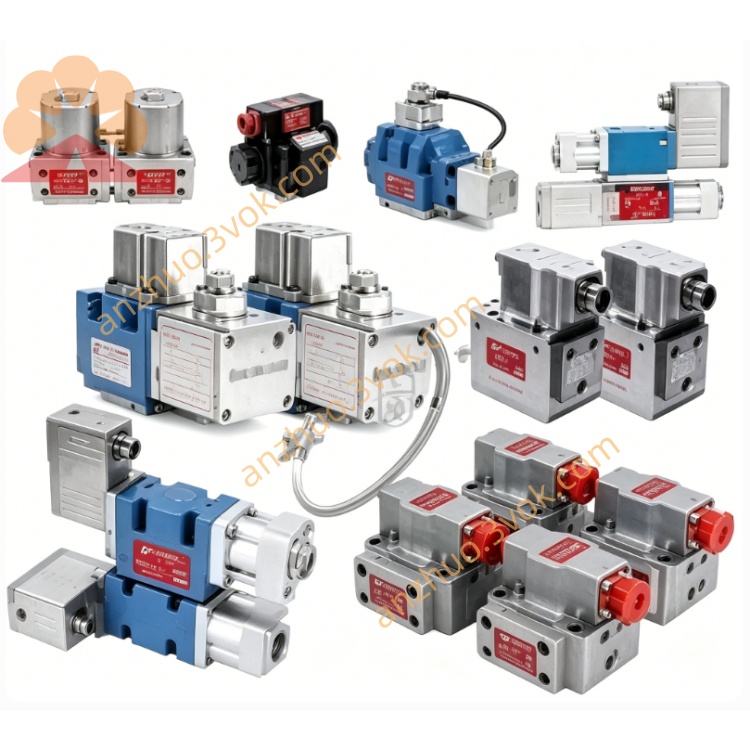
0514400317100LG
Description
1. General Description
2. Key Specifications
Model: 0514400317100LG
Valve Type: 2-way, normally closed (fail-safe closed)
Electrical Supply: 12 VDC or 24 VDC (selected at order; ±10% tolerance)
Power Consumption: ≤ 25 W (max)
Hydraulic Flow: 12 US gpm (45 L/min) @ 1000 psi (69 bar)
Max Operating Pressure: 3000 psi (207 bar)
Fluid Compatibility: Mineral hydraulic oils (ISO 4406 class 18/15 or better)
Operating Temperature: -30°C to +80°C (-22°F to +176°F)
Response Time: ≤ 20 ms (full stroke)
Seal Material: Nitrile (standard); FKM (optional for high temp/chemical resistance)
Protection Class: IP65 (solenoid housing)
Weight: 0.8 kg (1.76 lbs)
3. Main Features
Normally Closed Fail-Safe Design: Automatically shuts off fluid flow when power is lost, preventing unintended movement and complying with safety standards like EN 81 for elevators.
Compact Cartridge Construction: Fits into standard manifold cavities, allowing high-density valve packaging. Saves space and simplifies system design compared to inline valves.
Dual-Voltage Solenoid: Compatible with 12 VDC or 24 VDC systems, reducing inventory and simplifying integration into mixed-voltage fleets.
High Flow Efficiency: Optimized internal geometry minimizes pressure drop, supporting efficient hydraulic system operation.
Durable & Reliable: Industrial-grade materials and robust construction ensure long service life in harsh environments, with minimal maintenance requirements.
4. Installation
4.1 Manifold Mounting
4.2 Hydraulic Connections
Port In (P): Connect to pressure supply line (max 3000 psi).
Port Out (A): Connect to actuator or downstream hydraulic component.
Use high-quality, clean hydraulic fluid filtered to ISO 4406 class 18/15 or better to prevent contamination and premature wear.
Ensure all hydraulic fittings are tight and free of leaks before pressurizing the system.
4.3 Electrical Wiring
Disconnect power before wiring to avoid electrical shock or damage to the solenoid.
Connect the positive wire to the solenoid’s positive terminal (marked +) and the negative wire to the ground terminal (marked -).
Use wire gauge appropriate for the solenoid current (16 AWG recommended for 12/24 VDC operation).
Secure wiring with cable ties to prevent vibration damage and ensure the solenoid housing seal is intact to maintain IP65 protection.
5. Operation
5.1 Power-Up
5.2 Normal Operation
5.3 Shutdown
6. Maintenance
Fluid Inspection: Check hydraulic fluid quality monthly. Replace fluid every 2000 operating hours or if contamination is detected.
Filter Maintenance: Inspect system filters monthly and replace as needed to prevent debris from entering the valve.
Solenoid Check: Verify solenoid operation quarterly. Check for loose wiring, damaged insulation, or overheating during operation.
Seal Inspection: Inspect valve seals for leaks every 6 months. Replace seals if leaks are detected to prevent fluid loss and contamination.
Cleaning: Keep the valve and manifold exterior clean. Avoid using harsh chemicals that may damage seals or housing.
7. Safety Warnings
High Pressure Hazard: Hydraulic systems operate at high pressure. Relieve all pressure before servicing to avoid severe injury from fluid injection or component ejection.
Electrical Hazard: Disconnect power before wiring or maintenance. 12/24 VDC can cause shock, especially in wet environments.
Qualified Personnel: Installation, wiring, and maintenance must be performed by trained hydraulic and electrical technicians.
Environmental Protection: Do not expose the valve to extreme temperatures, moisture, or corrosive chemicals. Store in a clean, dry area when not in use.
Fail-Safe Caution: While the normally closed design enhances safety, always test valve operation after installation or maintenance to ensure proper function during power loss.
8. Troubleshooting
No Flow When Energized: Check if power is applied correctly and solenoid is functional. Verify hydraulic supply pressure is adequate. Inspect for clogged ports or contaminated fluid.
Leaks at Manifold: Check if valve is fully seated and lock nut is tightened to spec. Inspect seals for damage and replace if necessary.
Slow Response: Verify fluid viscosity and temperature are within operating range. Check for low supply pressure or dirty fluid. Inspect solenoid for insufficient voltage.
Solenoid Overheating: Check for incorrect voltage, loose wiring connections, or continuous energization beyond duty cycle. Verify solenoid resistance matches specifications.
Get a Quote