
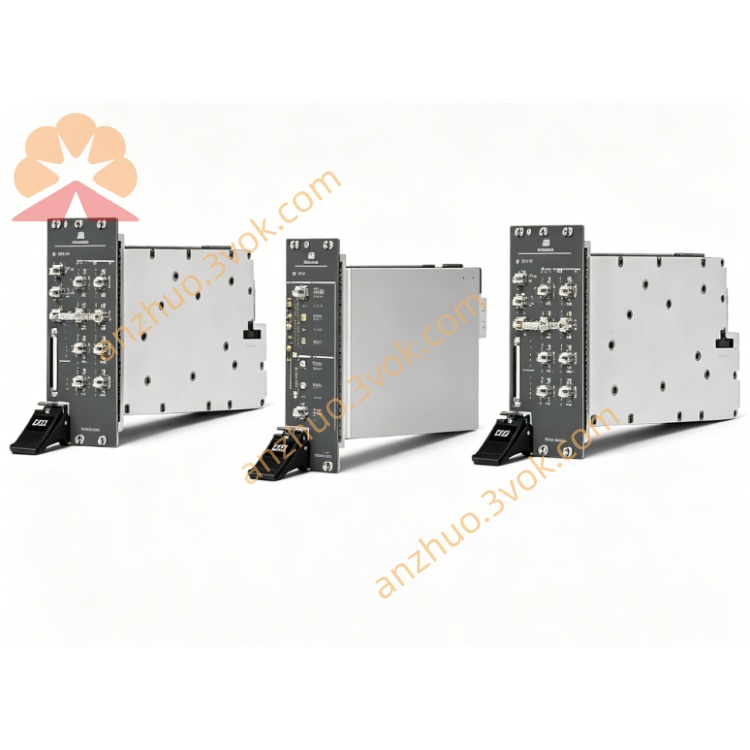
PCI-8512
Description
I. Basic Information
Model: PCI‑8512/1 (1 port), PCI‑8512/2 (2 ports) Part Number:
1 Port: 780683-01
2 Port: 780683-02NI
Bus: 32-bit PCI / PCI-X (33 MHz, 5 V), does not support PCIe
Ports: 1 or 2 × High-speed CAN/CAN FD, DB-9 connector
Isolation: Channel-to-bus 1000 Vrms isolation (anti-ground current, anti-interference)
Status: Mainstream in stock (not discontinued); PCIe version: PCIe-8512
II. Core Specifications (Easy to Understand)
1) CAN Communication
Protocol: CAN 2.0A (11-bit ID), CAN 2.0B (29-bit ID), CAN FD
Baud Rate:
Standard CAN: Up to 1 Mbps
CAN FD: Data Segment Up to 2 Mbps (Depends on Bus) NI
Transceiver: NXP TJA1041/TJA1043 (ISO 11898‑2) NI
Terminal Resistor: Software Configurable 120 Ω Terminal (Independent for Each Port)
2) Hardware and Performance
Transmission: DMA Engine, Zero CPU Interrupt Forwarding, Low Latency NI
Onboard Memory: 256 MB, Large Cache for CAN Frames
Synchronization: RTSI Bus + Front Panel Trigger, Multi-Card / Multi-Rack Synchronization NI
Connector: DB-9 (Compliant with CAN Standard Pins)
Board Type: Full Height Half-Length PCI Card
Power Supply: PCI 5 V, Typical 0.8 A / Maximum 1.2 A, No External Power Required
Temperature: 0 °C ~ 55 °C (Operation)
III. Differences between PCI-8512/1 vs /2
PCI-8512/1: 1 CAN/CAN FD Path, Isolated, DB-9, Suitable for Single Bus
PCI-8512/2: 2 Independent CAN/CAN FD Paths, Dual Isolation, Dual DB-9, Suitable for Dual Buses, Redundancy, Parallel Network Testing NI
IV. System Compatibility (Drivers + OS)
Driver: NI-XNET (Required), Supports CANdb, FIBEX, LDF, ARXML Databases NI
System:
✅ Windows 7/10/11 (32/64) ✅ LabVIEW Real‑Time
✅ Linux (NI-XNET support)
Software: LabVIEW, NI-XNET API, Python/C#/C++, Vehicle Network Toolbox
V. Typical Applications
Automotive ECU Testing: Engine / Body / Chassis CAN bus communication, UDS diagnosis, flashing
HIL Hardware-in-the-Loop: Real-time simulation of CAN bus nodes, high throughput and low latency NI
Industrial Buses: CANopen, DeviceNet, J1939 device communication, monitoring, data analysis
Bus Monitoring / Recorder: Long-term packet capture, fault playback, data playback
Multi-Bus Parallel: Dual ports independent, simultaneously accessing two CAN networks VI. Common Questions
❌ The PCIe slot is not usable: Must be the old-fashioned PCI/PCI-X; PCIe should be selected as PCIe-8512
⚠️ DB-9 pins: CAN_H = 7, CAN_L = 2, GND = 3/6, terminal = 9 (in accordance with standard wiring)
⚠️ Isolation safety: The isolation terminal is not connected to the ground to avoid ground circulation
⚠️ CAN FD rate: The actual rate is affected by the length of the bus, the number of nodes, and the quality of the cable
VII. Alternative / Upgrade Models
PCIe-8512: PCIe ×1, 1/2 port CAN/CAN FD, isolation, native support for Windows 10/11
PXI-8512: PXI bus version, suitable for integration into PXI chassis
Get a Quote