
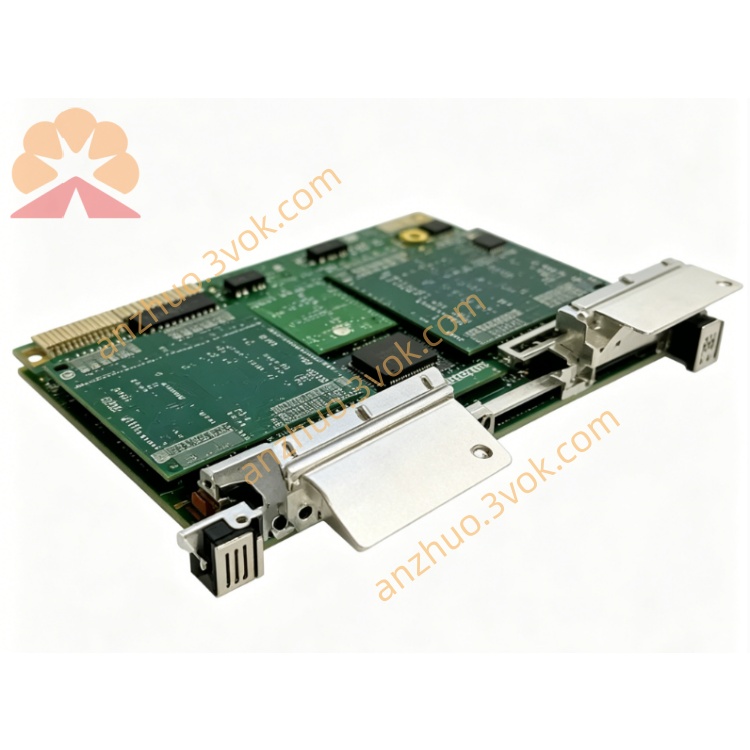
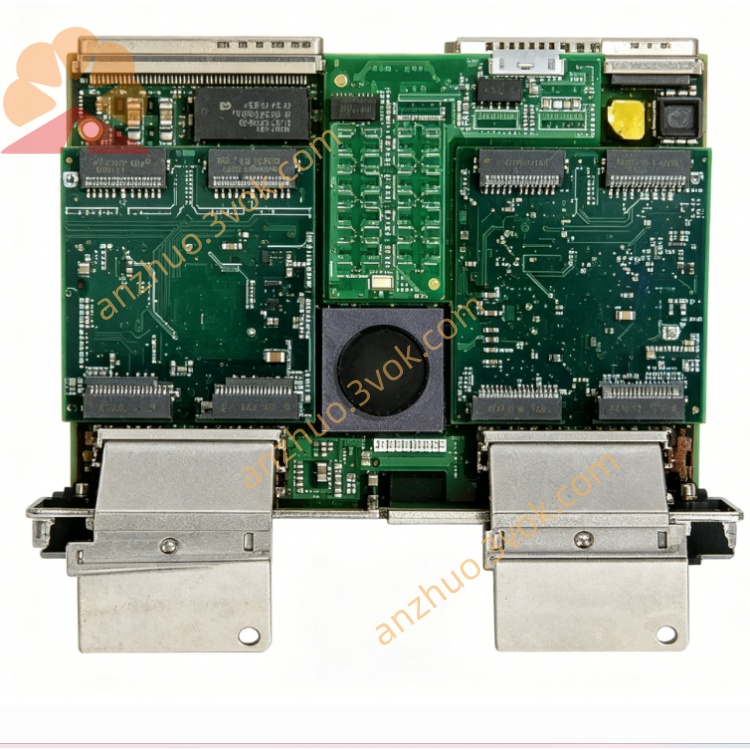
MVME162-020
Description
1. General Description
020 = 4 × IP slots, no Ethernet, no SCSI
Highest I/O expansion in MVME162 line (four single‑height IP slots)
Target: systems needing many custom I/O modules (analog, digital, fieldbus, etc.)
2. Core Specifications
Processor: Motorola MC68LC040 @ 25 MHz (8 KB cache, MMU, no FPU)
Optional: MC68040 @ 25 MHz (with FPU)
DRAM: 4 MB parity‑checked DRAM (expandable to 8 MB)
Battery‑Backed SRAM: 512 KB
Flash Memory: 1 MB Flash (for 162BUG firmware)
NVRAM/RTC: 8 KB NVRAM + Real‑Time Clock (TOD), battery‑backed
VMEbus: A32/D32, master/slave, system controller capable
3. Onboard Interfaces
IndustryPack (IP): 4 × single‑height IP slots (or 2 × double‑height)
Supports wide range of I/O: AI/AO/DI/DO, serial, CAN, Profibus, etc.
Serial Ports:
1 × Console: EIA‑232‑D (DCE)
1 × Configurable: EIA‑232‑D / EIA‑530 (DCE/DTE)
Timers: Six tick timers + watchdog timer
Front Panel:
8 LEDs: FAIL, STAT, RUN, SCON, LAN, FUSE, SCSI, VME
2 pushbuttons: RESET, ABORT
Not included: Ethernet, SCSI (020 = IP‑only I/O)
4. Mechanical & Environmental
Form Factor: 6U VMEbus, single slot
Operating Temperature: 0°C ~ +55°C (standard industrial)
Storage Temperature: ‑40°C ~ +85°C
Humidity: 5%–95% non‑condensing
5. Firmware & Software Support
Boot Monitor: 162BUG (Motorola proprietary)
Supported OS: VxWorks, LynxOS, OS‑9, pSOS+, VRTX, OpenBSD/mvme68k, NetBSD/mvme68k
Functions: POST, memory/VME mapping, serial console, IP slot mapping & configuration, watchdog control
6. MVME162 Series Comparison (Key Models)
010A: 2×IP, no SCSI/Ethernet
011A: SCSI‑2, no Ethernet/IP
012/012A: Ethernet + 2×IP, no SCSI
013/013A: SCSI‑2 + Ethernet, no IP
014A: Ethernet + 2×IP, no SCSI, industrial high‑rel
020: 4×IP, no Ethernet/SCSI (max I/O expansion)
7. Typical Applications
VMEbus systems requiring massive custom I/O (up to 4 IP modules)
Industrial automation & DCS with distributed analog/digital I/O
Real‑time control with fieldbus interfaces (via IP)
Legacy MVME162 systems replacing older 010A with more IP slots
8. Maintenance Notes
Replace onboard backup battery every 3–5 years to preserve SRAM/RTC data
Configure VMEbus master/slave and IP slot addressing via onboard jumpers
Verify IP module IDs and compatibility before power‑on
Get a Quote