
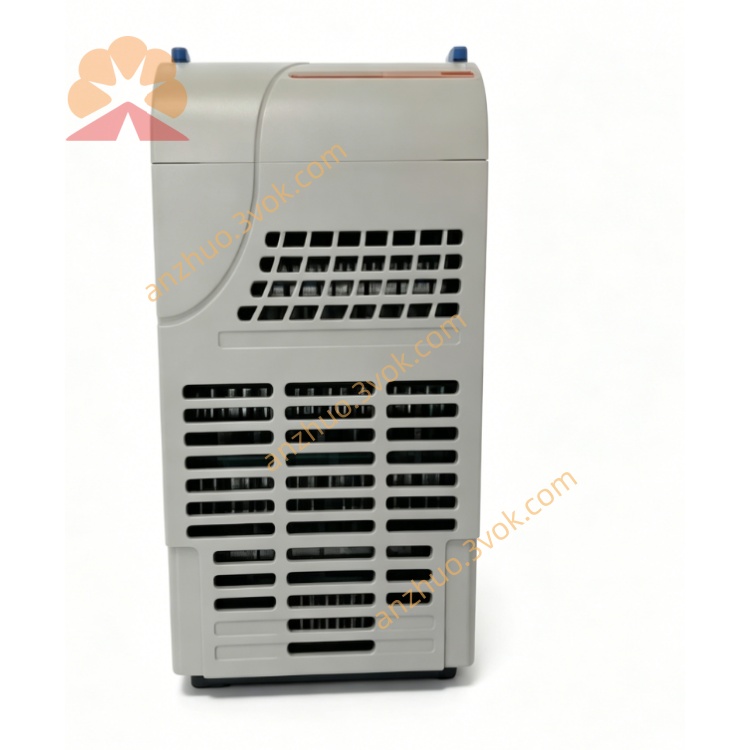
12P1064X072
May 12, 2026

12P1064X072

12P1064X072 is a high-performance industrial multi-function hybrid I/O module, widely used in industrial automation, PLC/DCS system expansion, process control, power energy, chemical industry, environmental monitoring and mechanical equipment control. This module integrates analog input, analog output, digital input and digital output in one compact DIN rail housing. It adopts industrial isolation circuit design and multi-protection circuit, equipped with 16-bit high-precision ADC/DAC chip for accurate signal sampling and conversion. With standard RS485 interface and Modbus RTU protocol, it supports remote parameter configuration, real-time data acquisition and equipment status monitoring. It features strong anti-interference capability, low power consumption and long-term stable operation, suitable for complex and harsh industrial field environments.

Description

1. Product Overview

12P1064X072 is a high-performance industrial multi-function hybrid I/O module, widely used in industrial automation, PLC/DCS system expansion, process control, power energy, chemical industry, environmental monitoring and mechanical equipment control.
This module integrates analog input, analog output, digital input and digital output in one compact DIN rail housing. It adopts industrial isolation circuit design and multi-protection circuit, equipped with 16-bit high-precision ADC/DAC chip for accurate signal sampling and conversion. With standard RS485 interface and Modbus RTU protocol, it supports remote parameter configuration, real-time data acquisition and equipment status monitoring. It features strong anti-interference capability, low power consumption and long-term stable operation, suitable for complex and harsh industrial field environments.

2. Main Features

  • Integrated 4AI / 2AO / 8DI / 4DO hybrid I/O design

  • Compatible with standard 4~20mA current and 0~10V voltage analog signals

  • 16-bit high resolution ADC/DAC, high precision and low temperature drift

  • Full software configurable: signal type, engineering range, digital filter and working mode

  • Built-in 1500VDC isolation, overvoltage, overcurrent, short-circuit and overtemperature protection

  • RS485 communication interface, supports Modbus RTU protocol

  • Multiple baud rates optional: 9600 / 19200 / 38400bps

  • Wide operating temperature: -25℃ ~ +60℃

  • Digital channels support NPN/PNP logic and 0~500ms adjustable debounce time

  • Analog channels support digital filtering and communication loss fail-safe mode

  • Flame-retardant engineering plastic housing, compact and low power consumption

  • Standard 35mm DIN rail mounting, easy installation, wiring and maintenance

3. Technical Specifications

3.1 General Parameters

Model: 12P1064X072
Rated Power Supply: 24VDC ±10%
Maximum Working Current: ≤300mA
Isolation Voltage: 1500VDC (field side to internal circuit)
Operating Temperature: -25℃ ~ +60℃
Storage Temperature: -40℃ ~ +85℃
Relative Humidity: 5% ~ 95% RH, non-condensing
Mounting: 35mm standard DIN rail
Housing Material: Industrial flame-retardant engineering plastic

3.2 Channel Configuration

Analog Input: 4 channels, 4~20mA / 0~10V software selectable
Analog Output: 2 channels, 4~20mA / 0~10V software selectable
Digital Input: 8 channels, 24VDC level compatible
Digital Output: 4 channels, single channel rated load 0.5A

3.3 Analog Performance

Resolution: 16-bit
Basic Accuracy: ±0.1% Full Scale at 25℃
Temperature Drift: ±0.2% Full Scale in full temperature range
Analog Input: Current type ≤250Ω; Voltage type ≥100kΩ
Analog Output: Current type ≤500Ω; Voltage type ≥1kΩ

3.4 Communication Parameters

Interface: RS485
Protocol: Modbus RTU
Default Baud Rate: 9600bps
Data Format: 8 data bits, 1 stop bit, no parity
Device Address: 1~247 configurable

4. Safety Precautions

  1. Installation, wiring and maintenance must be completed by qualified professional technicians.

  2. Cut off power supply before wiring, disassembly or maintenance to avoid electric shock and module damage.

  3. Do not install in flammable, explosive or strong corrosive gas environment.

  4. Keep ventilation unobstructed and do not block heat dissipation holes.

  5. Power cables and signal cables must be laid separately to reduce electromagnetic interference.

  6. Connect the protective grounding terminal to reliable earth ground.

  7. Do not exceed the rated voltage, current and load of each channel.

  8. Do not disassemble or modify the internal circuit without authorization.

5. Installation and Terminal Definition

5.1 DIN Rail Installation

  1. Fix 35mm standard DIN rail firmly on the installation panel.

  2. Buckle the upper card slot of the module onto the DIN rail edge.

  3. Press the module down until the bottom lock clamps tightly.

  4. Shake slightly to confirm firm installation without loosening.

5.2 Terminal Pin Assignment

1     24VDC Positive
2     24VDC Negative
3     AI1+
4     AI1-
5     AI2+
6     AI2-
7     AI3+
8     AI3-
9     AI4+
10    AI4-
11    AO1+
12    AO1-
13    AO2+
14    AO2-
15    DI Common
16    DI1
17    DI2
18    DI3
19    DI4
20    DI5
21    DI6
22    DI7
23    DI8
24    DO1
25    DO2
26    DO3
27    DO4
28    DO Common
29    Protective Ground

5.3 Wiring Instructions

  1. Strip about 6mm insulation from wire ends.

  2. Loosen terminal screws and insert wires into corresponding terminals.

  3. Tighten screws moderately to ensure good contact, avoid over-tightening.

  4. Analog signal uses shielded twisted-pair cable with single-end grounding.

  5. Power and digital signals use stranded copper wire with suitable gauge.

  6. Fix cables with ties to avoid pulling force on terminals.

6. Parameter Configuration

6.1 Connection Method

Connect module RS485 port to PC via USB-to-RS485 adapter, use supporting configuration software to scan and connect the module.

6.2 Configurable Parameters

Analog Input: Signal type selection, custom engineering range, digital filter adjustment
Analog Output: Signal type selection, output calibration, fail-safe mode setting
Digital Input: NPN/PNP logic, debounce time 0~500ms adjustable
Digital Output: Output logic, communication loss fail-safe ON/OFF, pulse output setting
Communication: Baud rate, Modbus address, restore factory defaults

6.3 Save and Activation

Save parameters to the module, then power cycle the module to take effect.

7. Operation Description

7.1 Power-on Self-test

After 24VDC power on, the module completes internal self-test within 2 seconds and enters normal operation without fault.

7.2 Function Description

  • Analog Input: Collect sensor analog signals, convert to digital data and upload to control system.

  • Analog Output: Receive control commands and output standard analog signals to drive valves and actuators.

  • Digital Input: Detect switch and sensor on-off status, upload state changes.

  • Digital Output: Control external relays, solenoid valves and indicator lights.

  • Communication: Realize data exchange and parameter setting with upper computer via Modbus RTU.

7.3 Indicator Status

Power LED Steady Green: Power normal
Power LED Off: No power or power fault
Status LED Green Flashing: Normal operation and communication
Status LED Red Flashing: Overload, short circuit or communication error
Status LED Steady Red: Hardware failure, replace module

8. Daily Maintenance

  1. Regularly check terminal tightness and prevent oxidation and loose contact.

  2. Clean dust with dry soft cloth only, no liquid or chemical solvents.

  3. Keep working temperature and humidity within specified range.

  4. Replace aging and damaged cables in time.

  5. Recalibrate parameters if sampling data is abnormal.

9. Troubleshooting

  1. Power indicator not on
    Cause: No 24VDC input, reverse polarity or broken wire
    Solution: Check power wiring and correct polarity
  2. Communication failure
    Cause: Baud rate/address mismatch, RS485 A/B reversed, no terminal resistor
    Solution: Unify parameters, adjust wiring, add 120Ω terminal resistor
  3. Analog input unstable
    Cause: Loose wiring, wrong signal range or electromagnetic interference
    Solution: Fasten terminals, confirm signal type, use shielded cable and good grounding
  4. Analog output inaccurate
    Cause: Range error or load resistance mismatch
    Solution: Recalibrate range and match load parameters
  5. Digital input no response
    Cause: Loose wiring or logic setting error
    Solution: Check wiring and adjust NPN/PNP logic
  6. Digital output no action
    Cause: Overload or wrong logic mode
    Solution: Reduce load within rated range and reconfigure

10. Warranty Statement

This module enjoys limited warranty against manufacturing and material defects. Damage caused by improper installation, overload use, lightning surge, unauthorized disassembly and operation beyond environmental specifications is not covered by warranty.


Get a Quote