
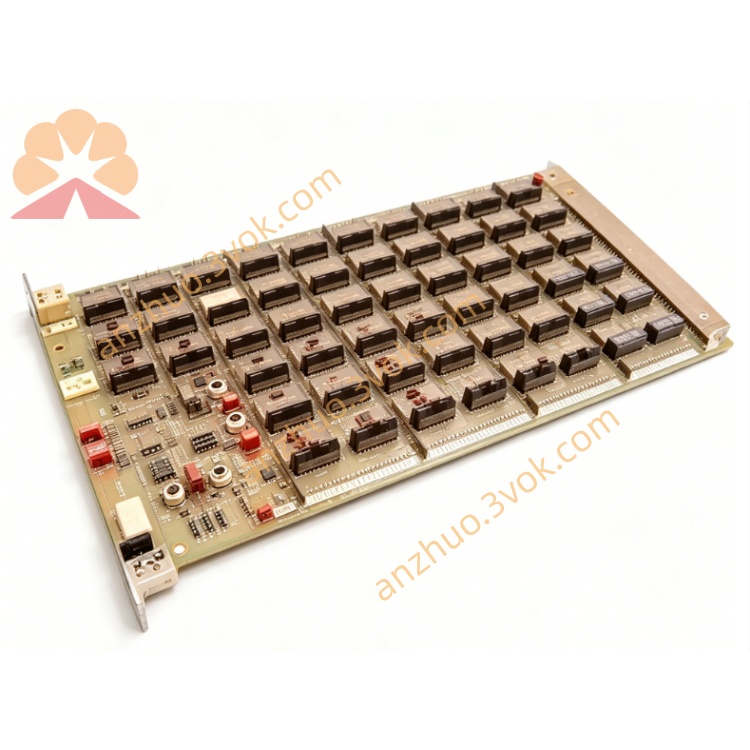
1172C59
Description
1. Product Overview
1. Product Overview
2. Main Features
Integrated hybrid I/O design, compatible with common industrial analog and digital signals
16-bit high precision resolution for all analog input and output channels
Full software configuration for signal type, engineering range and working parameters
Built-in isolation, overvoltage, overcurrent, short-circuit and over-temperature protection
RS485 communication interface, supports standard Modbus RTU communication protocol
Wide operating temperature range, suitable for harsh industrial field environments
Digital channels support NPN/PNP logic selection and adjustable debounce time
Analog channels support digital filtering and configurable fail-safe mode under communication loss
Flame-retardant engineering plastic housing, compact size, low power consumption
High stability and reliability for long-term continuous industrial operation
3. Technical Specifications
3.1 General Parameters
3.2 Channel Configuration
3.3 Analog Performance
3.4 Communication Parameters
4. Safety Precautions
Installation, wiring and maintenance must be performed by qualified professional technicians.
Disconnect all power supply before wiring, disassembly or maintenance to avoid electric shock and equipment damage.
Do not install the module in environments with flammable gas, explosive dust, corrosive vapor or conductive particles.
Keep sufficient ventilation space around the module and do not block heat dissipation gaps.
Separate signal cables and power cables during wiring to reduce electromagnetic interference.
The protective grounding terminal must be connected to reliable earth ground.
Do not exceed the rated load of each input and output channel to avoid permanent damage.
Do not disassemble or modify the internal structure of the module without authorization.
5. Installation and Terminal Definition
5.1 DIN Rail Installation
Fix the standard 35mm DIN rail firmly on the mounting surface.
Align the upper buckle of the module with the DIN rail edge.
Press the module downward until the bottom lock snaps into place.
Slightly shake the module to confirm firm installation without sliding.
5.2 Terminal Pin Assignment
5.3 Wiring Instructions
Strip about 6mm insulation from wire ends.
Loosen terminal screws with a standard screwdriver.
Insert wires into corresponding terminals strictly according to pin definition.
Tighten screws moderately to ensure reliable contact, avoid over-tightening.
Fix cables with cable ties to prevent pulling stress on terminals.
Analog signal uses shielded twisted-pair cable with single-end shielding grounding.
Digital signal adopts stranded copper wire with suitable wire gauge.
6. Parameter Configuration
6.1 Connection Method
6.2 Configurable Parameters
Analog Input
Analog Output
Digital Input
Digital Output
Communication Settings
6.3 Save and Activation
7. Operation Description
7.1 Power-on Self-test
7.2 Working Mode
Analog Input: Collect field sensor analog signals, convert into digital data and upload to control system in real time.
Analog Output: Receive control commands and convert into standard analog signals to regulate valves and actuators.
Digital Input: Detect switch and sensor on-off status, upload signal changes in real time.
Digital Output: Control external relays, solenoid valves and indicators to switch on and off.
Communication: Realize data interaction and parameter configuration with upper controller via Modbus RTU.
7.3 Indicator Status
8. Daily Maintenance
Regularly check indicator status and terminal tightness, inspect for oxidation and looseness.
Clean module surface only with dry soft cloth; do not use liquid or chemical solvents.
Keep operating temperature and humidity within specified range.
Periodically check cable aging and replace damaged wires in time.
Replace faulty module with the same model and reconfigure parameters.
9. Troubleshooting
- Power indicator offCause: No 24VDC input, reverse polarity or broken wireSolution: Check power circuit and wiring polarity
- Status indicator red flashingCause: Output overload, short circuit, self-test failure or communication interruptionSolution: Disconnect field load, eliminate fault and restart power
- Analog input data abnormalCause: Wrong signal type, loose terminal or unmatched load resistanceSolution: Reconfigure channel type and fasten wiring
- Analog output inaccurateCause: Improper range setting or over load resistanceSolution: Reset range and control load within rated value
- Digital input no responseCause: Wrong logic setting or loose wiringSolution: Adjust input logic and check terminals
- Digital output no switchingCause: Overload current or incorrect logicSolution: Reduce load and reconfigure parameters
- RS485 communication failureCause: Mismatched baud rate/address, A/B line reversedSolution: Unify communication parameters and correct wiring
10. Warranty Terms
2. Main Features
Integrated hybrid I/O design, compatible with common industrial analog and digital signals
16-bit high precision resolution for all analog input and output channels
Full software configuration for signal type, engineering range and working parameters
Built-in isolation, overvoltage, overcurrent, short-circuit and over-temperature protection
RS485 communication interface, supports standard Modbus RTU communication protocol
Wide operating temperature range, suitable for harsh industrial field environments
Digital channels support NPN/PNP logic selection and adjustable debounce time
Analog channels support digital filtering and configurable fail-safe mode under communication loss
Flame-retardant engineering plastic housing, compact size, low power consumption
High stability and reliability for long-term continuous industrial operation
3. Technical Specifications
3.1 General Parameters
3.2 Channel Configuration
3.3 Analog Performance
3.4 Communication Parameters
4. Safety Precautions
Installation, wiring and maintenance must be performed by qualified professional technicians.
Disconnect all power supply before wiring, disassembly or maintenance to avoid electric shock and equipment damage.
Do not install the module in environments with flammable gas, explosive dust, corrosive vapor or conductive particles.
Keep sufficient ventilation space around the module and do not block heat dissipation gaps.
Separate signal cables and power cables during wiring to reduce electromagnetic interference.
The protective grounding terminal must be connected to reliable earth ground.
Do not exceed the rated load of each input and output channel to avoid permanent damage.
Do not disassemble or modify the internal structure of the module without authorization.
5. Installation and Terminal Definition
5.1 DIN Rail Installation
Fix the standard 35mm DIN rail firmly on the mounting surface.
Align the upper buckle of the module with the DIN rail edge.
Press the module downward until the bottom lock snaps into place.
Slightly shake the module to confirm firm installation without sliding.
5.2 Terminal Pin Assignment
5.3 Wiring Instructions
Strip about 6mm insulation from wire ends.
Loosen terminal screws with a standard screwdriver.
Insert wires into corresponding terminals strictly according to pin definition.
Tighten screws moderately to ensure reliable contact, avoid over-tightening.
Fix cables with cable ties to prevent pulling stress on terminals.
Analog signal uses shielded twisted-pair cable with single-end shielding grounding.
Digital signal adopts stranded copper wire with suitable wire gauge.
6. Parameter Configuration
6.1 Connection Method
6.2 Configurable Parameters
Analog Input
Analog Output
Digital Input
Digital Output
Communication Settings
6.3 Save and Activation
7. Operation Description
7.1 Power-on Self-test
7.2 Working Mode
Analog Input: Collect field sensor analog signals, convert into digital data and upload to control system in real time.
Analog Output: Receive control commands and convert into standard analog signals to regulate valves and actuators.
Digital Input: Detect switch and sensor on-off status, upload signal changes in real time.
Digital Output: Control external relays, solenoid valves and indicators to switch on and off.
Communication: Realize data interaction and parameter configuration with upper controller via Modbus RTU.
7.3 Indicator Status
8. Daily Maintenance
Regularly check indicator status and terminal tightness, inspect for oxidation and looseness.
Clean module surface only with dry soft cloth; do not use liquid or chemical solvents.
Keep operating temperature and humidity within specified range.
Periodically check cable aging and replace damaged wires in time.
Replace faulty module with the same model and reconfigure parameters.
9. Troubleshooting
- Power indicator offCause: No 24VDC input, reverse polarity or broken wireSolution: Check power circuit and wiring polarity
- Status indicator red flashingCause: Output overload, short circuit, self-test failure or communication interruptionSolution: Disconnect field load, eliminate fault and restart power
- Analog input data abnormalCause: Wrong signal type, loose terminal or unmatched load resistanceSolution: Reconfigure channel type and fasten wiring
- Analog output inaccurateCause: Improper range setting or over load resistanceSolution: Reset range and control load within rated value
- Digital input no responseCause: Wrong logic setting or loose wiringSolution: Adjust input logic and check terminals
- Digital output no switchingCause: Overload current or incorrect logicSolution: Reduce load and reconfigure parameters
- RS485 communication failureCause: Mismatched baud rate/address, A/B line reversedSolution: Unify communication parameters and correct wiring
Get a Quote